
When a child suddenly chips, cracks, or loses a tooth, the panic hits fast. One moment they’re playing, laughing, or enjoying a snack, and the next tears, pain, and confusion. Moments like these make parents realize how quickly a normal day can turn into a dental emergency. And while the instinct to rush straight to an emergency pediatric dentist is understandable, the steps taken during those first minutes matter just as much as the professional care that follows.
Parents often search for clarity during these moments: Should I look for an emergency dentist right away? What do I do with the broken tooth? Is this normal in children? What if it’s their first pediatric dentist visit? These questions appear instantly, especially when the injury looks frightening or the child’s distress makes it hard to think clearly.
This guide was created to give parents confidence, calm, and clear direction when pediatric dental trauma strikes. With insights rooted in expert pediatric dental care, plus clinical guidance inspired by professionals like Dr. Sara Rasamimari, pediatric dentist at PCO Pediatric Dentistry & Orthodontics, and Dr. Tiya Ungphakorn, orthodontist, this article walks parents through what to do before contacting an emergency pediatric dentist step by step.
Pediatric Dental Trauma: What Parents Should Know
Pediatric dental trauma is one of the most common childhood injuries, yet it’s also one of the most misunderstood. Many parents assume that damage to baby teeth isn’t as serious as damage to permanent teeth but in reality, baby teeth play a crucial role in a child’s speech development, facial growth, and tooth alignment. Even a minor injury can disrupt these processes, which is why understanding the basics of trauma is so important.
A chipped, cracked, or loosened tooth generally falls under pediatric dental trauma, and the severity varies depending on the force and location of the injury. These injuries can happen anywhere at school, the playground, organized sports, or right in the living room. While some cases look mild at first, underlying damage (like root fractures or gum injuries) can still exist beneath the surface.
When dealing with pediatric dental trauma, it’s important for parents to observe certain symptoms:
- Swelling of gums or lips
- Tooth discoloration (immediately or over several days)
- Increased sensitivity to hot or cold
- Visible cracks
- Difficulty biting down
- Persistent bleeding
These signs help determine whether an injury requires immediate attention from an emergency dentist or can wait until the next day.
If this is your child’s first pediatric dentist visit following trauma, there may be extra steps involved, such as imaging, monitoring for infection, or follow-up alignment checks handled by orthodontists like Dr. Tiya Ungphakorn. This ensures the child not only recovers from the injury but maintains proper dental development afterward.
How an Emergency Dentist Helps When a Child Chips, Cracks, or Loses a Tooth
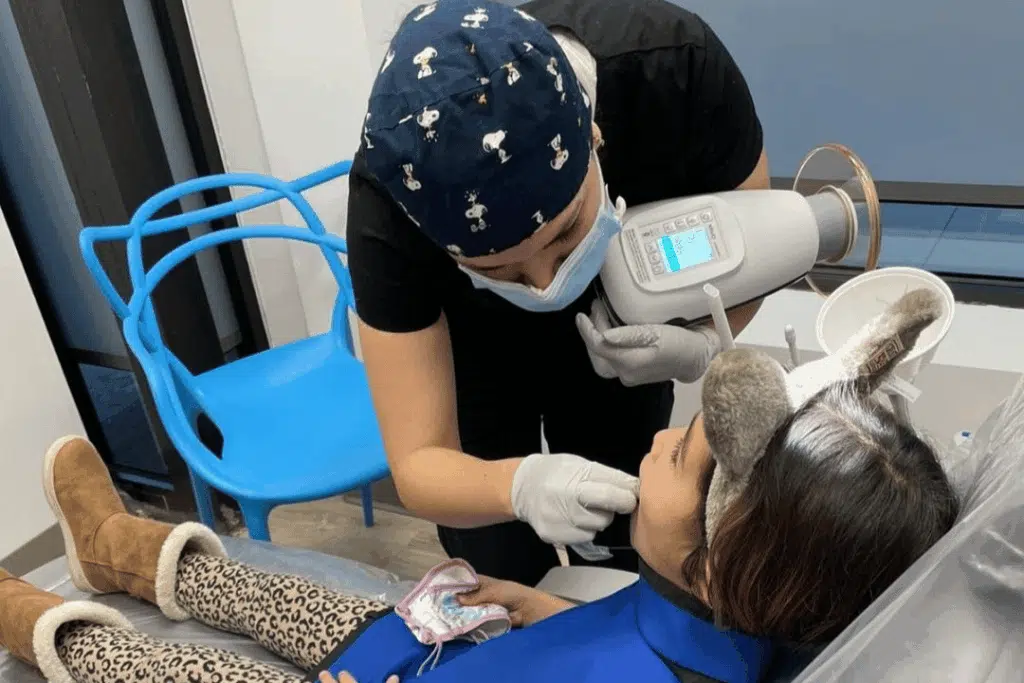
When a child chips or cracks a tooth, the first instinct is to panic but understanding what happens next can guide parents on what to expect from an emergency dentist. What many don’t realize is that before a dentist even enters the picture, the parents’ immediate at-home response influences how successful treatment will be.
Here’s how an emergency dentist typically handles each type of injury:
If Your Child Chips a Tooth
Chipped teeth are incredibly common in kids. Depending on whether the chip is minor or exposes deeper layers of the tooth, an emergency pediatric dentist may:
- Smooth the rough edge
- Bond the tooth with a tooth-colored material
- Monitor for nerve exposure
- Recommend follow-up orthodontic assessments (especially for older children)
What you should do before calling the dentist:
- Rinse the child’s mouth with warm water
- Save any broken pieces (store them in milk, saline, or the child’s saliva)
- Apply a cold compress to minimize swelling
- Avoid hot, cold, or sugary foods
If Your Child Cracks a Tooth
A cracked tooth is more serious than a chipped one because the damage extends deeper. These cracks can sometimes be invisible to the naked eye but extremely painful. An emergency dentist will evaluate:
- Crack depth
- Temperature sensitivity
- Nerve involvement
- Whether the tooth structure can be preserved
Before calling the dentist:
- Have the child bite down gently on gauze if there’s pain
- Keep the area clean
- Avoid chewing on the injured side
- Take photos of the tooth if possible (helps the dental team prepare)
If Your Child Loses a Baby Tooth Unexpectedly
Parents often assume that if a baby tooth falls out early due to trauma, it’s not a big deal. But losing a primary tooth too soon can affect spacing, alignment, and even speech. An emergency pediatric dentist may recommend:
- Space maintainers
- X-rays to assess root development
- Monitoring for jaw or gum tissue injury
Before calling, recover the tooth (if found) and bring it to the appointment.
If a Permanent Tooth Is Knocked Out
This is the most urgent pediatric dental emergency. Permanent teeth must be handled with extreme care.
Before calling the dentist:
- ONLY touch the crown (top part), NEVER the root
- Rinse briefly with milk or saline don’t scrub
- Attempt to place the tooth back in the socket (if the child is calm)
- If not possible, store the tooth in milk or the child’s saliva
- Seek an emergency pediatric dentist immediately
The faster a tooth is repositioned, the higher the chance of saving it.
Throughout these steps, having guidance from a pediatric dentist in Queens NY like the specialists at PCO Pediatric Dentistry & Orthodontics helps ensure the child receives the right treatment and long-term follow-up for proper development.
When Your Child Needs Pediatric Dental Care Immediately

Not all injuries look like emergencies at first glance. Some children barely react and others become overwhelmed with pain even when the injury appears minor. Understanding when to seek pediatric dental care right away is crucial.
Parents should contact an emergency pediatric dentist immediately if:
The child has:
- A knocked-out permanent tooth
- A cracked or chipped tooth with visible nerve exposure
- Lip, gum, or cheek lacerations that continue bleeding
- Severe or sudden tooth pain
- Facial swelling
- Fever following dental trauma
- Difficulty opening or closing the mouth
- Sensitivity that worsens over time
- A tooth pushed out of alignment
Or if the injury happened due to:
- A sports impact
- A fall
- Accidental collision
- Biting into something too hard
- An object hitting the mouth
Children may not always express the full extent of their pain. Sometimes they’re frightened, embarrassed, or unsure how to describe what they feel. When in doubt, call an emergency pediatric dentist for advice.
In cases involving alignment issues or concerns about long-term development, orthodontic specialists like Dr. Tiya Ungphakorn may assess whether the trauma could affect future bite patterns or tooth spacing. This helps ensure the child does not just recover but continues developing with healthy, stable oral alignment.
Why Families Trust PCO Pediatric Dentistry & Orthodontics in Queens, NY
Families throughout Queens, NY look for two things in a dental emergency: calm expertise and child-friendly care. PCO Pediatric Dentistry & Orthodontics offers both, making it a preferred choice for parents seeking an emergency pediatric dentist.
Led by skilled specialists such as Dr. Sara Rasamimari, a highly respected pediatric dentist, and Dr. Tiya Ungphakorn, an experienced orthodontist, the practice provides comprehensive care for children experiencing chipped, cracked, or knocked-out teeth.
At PCO Pediatric Dentistry & Orthodontics, the team understands how overwhelming dental emergencies can be for parents and children alike. That’s why they focus on:
- Gentle, compassionate pediatric dental care
- State-of-the-art technology for trauma evaluation
- A soothing environment to calm anxious children
- Comprehensive follow-ups after dental injuries
- Orthodontic assessments to ensure long-term alignment
Located conveniently in Queens, NY, the practice welcomes children for both emergency treatment and their first pediatric dentist visit, ensuring these experiences are positive, informative, and supportive.
Frequently Asked Questions About Pediatric Dental Emergencies
1. Is a chipped tooth in a child considered a dental emergency?
A chipped tooth is not always an emergency, but it can require urgent evaluation depending on the size of the chip, pain level, or whether the inner layers of the tooth are exposed. If your child is in discomfort, bleeding, or sensitive to temperature, contact an emergency pediatric dentist for guidance.
2. What should I do if my child knocks out a permanent tooth?
If a permanent tooth is knocked out, act quickly. Pick it up by the crown (not the root), rinse gently if dirty, and try to place it back in the socket. If that isn’t possible, store it in milk or the child’s saliva and visit an emergency pediatric dentist immediately. Timing is crucial; teeth reimplanted within 30–60 minutes have the highest chance of survival.
3. What if my child knocks out a baby tooth? Should it be reinserted?
No. Baby teeth should not be reinserted. Doing so may damage the developing permanent tooth underneath. Still, it’s important to schedule an exam, since early loss may require space maintenance or monitoring by specialists like Dr. Sara Rasamimari or Dr. Tiya Ungphakorn to protect long-term oral development.
4. What signs indicate my child needs urgent pediatric dental care?
Seek immediate care if your child experiences:
-
- Severe or increasing tooth pain
- Swelling in the gums, jaw, or face
- A knocked-out permanent tooth
- A cracked or fractured tooth
- Bleeding that doesn’t stop
- Difficulty opening or closing the mouth
These symptoms may signal a serious pediatric dental trauma that requires prompt evaluation.
5. Should I take my child to the ER or a pediatric dentist for a dental injury?
For most dental injuries, a pediatric dentist especially an emergency pediatric dentist is the best choice. A hospital ER can address bleeding or life-threatening concerns but typically cannot treat tooth fractures or knocked-out teeth. If your child has a dental injury without additional medical complications, go directly to a pediatric dental specialist.
Need Immediate Assistance? Contact PCO Pediatric Dentistry & Orthodontics Today
If your child has experienced a chipped, cracked, or knocked-out tooth, timely care is essential. PCO Pediatric Dentistry & Orthodontics provides prompt, specialized treatment for pediatric dental emergencies, ensuring your child receives the highest level of care and support from the moment you contact the office.
The practice is led by Dr. Sara Rasamimari, a trusted pediatric dentist with extensive experience in emergency dental management, and Dr. Tiya Ungphakorn, a skilled orthodontist who evaluates and addresses any alignment concerns that may arise following dental trauma. Together, they offer comprehensive, compassionate care tailored to the unique needs of children.
If you need guidance or immediate assistance, the team at PCO Pediatric Dentistry & Orthodontics located in Queens, NY is ready to help. Please contact our office to schedule an urgent evaluation or emergency visit.
Your child’s comfort, safety, and long-term oral health are our highest priorities.