Pediatric Sedation Dentistry in Queens, NY
Some children feel worried, overwhelmed, or unable to remain still during dental treatment. PCO Pediatric Dentistry & Orthodontics provides pediatric sedation dentistry in Queens, NY, with options selected around each child’s age, health, anxiety, and dental needs. From laughing gas to deeper anesthesia care, our goal is to help children receive necessary treatment with careful planning, appropriate monitoring, and clear support for parents.
What Is Pediatric Sedation Dentistry?
Pediatric sedation dentistry uses carefully selected medication to help a child feel calmer and manage dental treatment. Depending on the method, a child may remain fully awake, become drowsy but responsive, or be unconscious under general anesthesia. Sedation supports relaxation, while local anesthesia may still be used to numb the treatment area.
Sedation may be considered for children with dental anxiety, a strong gag reflex, sensory or developmental needs, difficulty remaining still, or extensive treatment needs. It is not necessary for every child. Dr. Sara reviews the child’s health, behavior, dental needs, and available options before recommending an appropriate level of support.
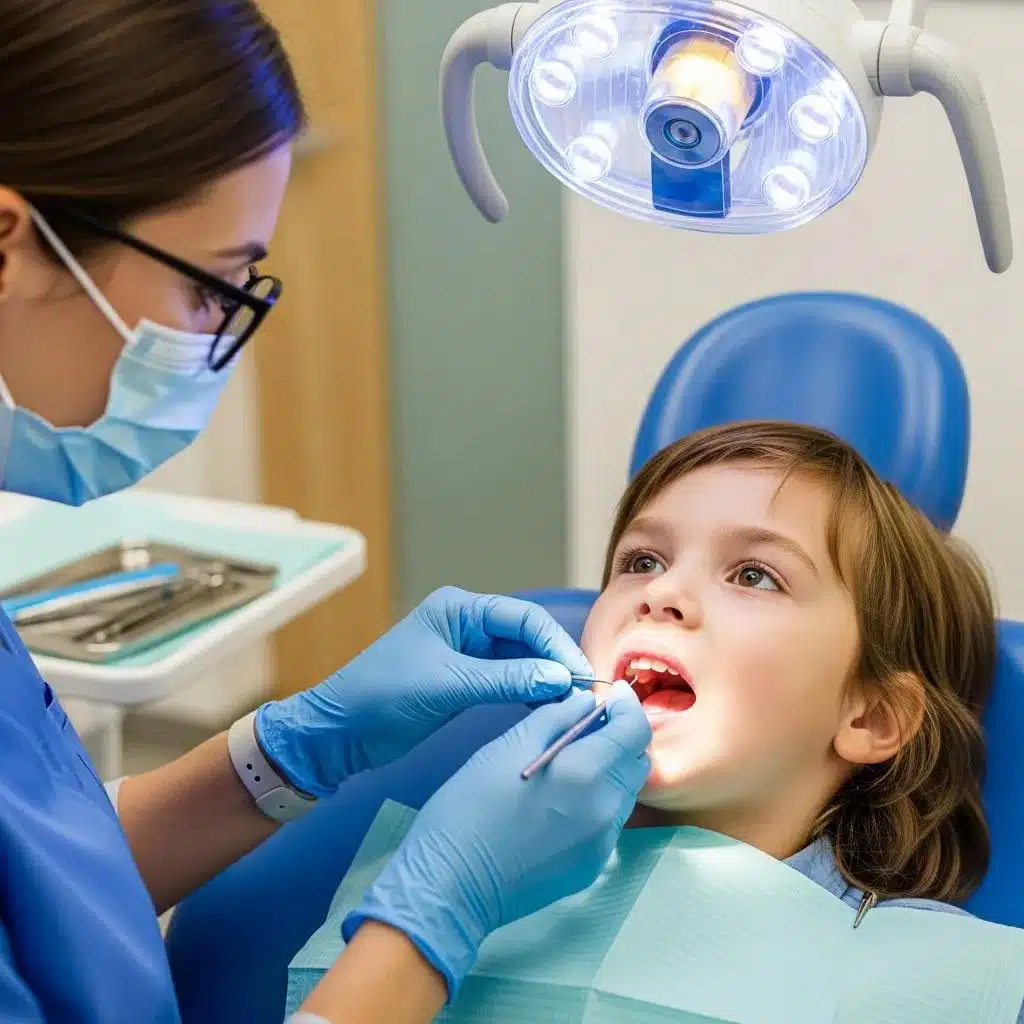
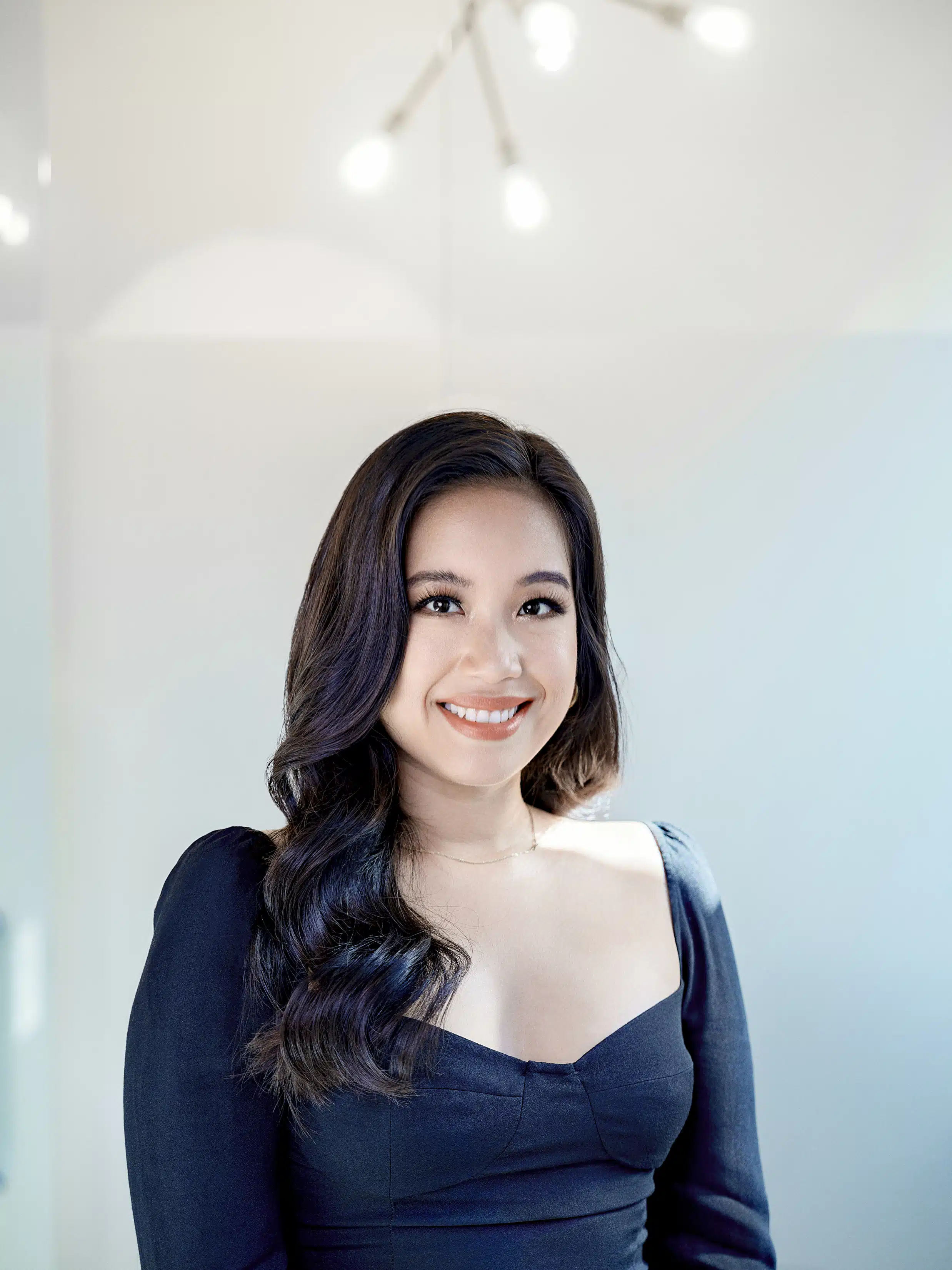
Meet Your Board-Certified Pediatric Dentist, Dr. Sara Rasamimari
Dr. Sara Rasamimari is certified by the American Board of Pediatric Dentistry. She earned her Bachelor of Science in Public Health with a minor in Psychology from Indiana University. She then completed her Doctor of Dental Medicine degree at Midwestern University and her pediatric dentistry residency at New York University.
Dr. Sara’s specialized training helps her understand children’s dental development, behavior, and individual healthcare needs. She reviews each child’s medical history, anxiety, ability to cooperate, and planned treatment before discussing sedation. When deeper sedation or anesthesia is needed, she coordinates the dental care with the appropriate anesthesia professional.
Why Families Choose PCO for Pediatric Sedation Dentistry
Choosing dental sedation for a child deserves careful planning and honest answers. The appropriate option is not selected only by how nervous a child feels. At PCO, every recommendation considers the child’s health, age, emotional development, dental procedure, and response to previous visits. Parents receive clear information before deciding whether to continue with sedation.
Board-Certified Pediatric Care
Dr. Sara is certified by the American Board of Pediatric Dentistry, with training in children’s behavior, development, and specialized dental needs.
Personalized Sedation Planning
The recommended option is based on your child’s age, medical history, anxiety, ability to cooperate, and amount and type of dental treatment needed.
Clear Support for Every Family
Parents receive clear instructions about preparation, fasting when required, recovery, and how to care for their child after the dental appointment.
Safety Planning at Every Stage
The care team reviews health information and follows careful monitoring and recovery steps required for the planned level of sedation or anesthesia.
Board-Certified Pediatric Dentist
Dr. Sara is a board-certified pediatric dentist with advanced training in caring for infants, children, and teens.
Board-Certified Pediatric Dentist
Dr. Sara is a board-certified pediatric dentist with advanced training in caring for infants, children, and teens.
Board-Certified Pediatric Dentist
Dr. Sara is a board-certified pediatric dentist with advanced training in caring for infants, children, and teens.
Board-Certified Pediatric Dentist
Dr. Sara is a board-certified pediatric dentist with advanced training in caring for infants, children, and teens.
Our Dental Sedation Services for Children
Pediatric dental sedation ranges from mild relaxation to general anesthesia. Each option affects awareness, responsiveness, and recovery differently. Dr. Sara will explain which option may fit your child’s health and treatment needs. Some children only need mild support, while others may need a deeper level of sedation for complex or extensive dental care.

Laughing Gas for Pediatric Care
Nitrous oxide is inhaled through a small nasal mask. It can help a mildly anxious child feel calmer while remaining awake and able to respond during treatment.
Oral Conscious Sedation Service
A prescribed oral medication can help a child become calmer and drowsy before care. Responses vary, so the dental team monitors the child throughout treatment.
IV Sedation for Pediatric Needs
Medication delivered through a vein may provide a deeper level of sedation for extensive care. A qualified anesthesia professional administers and monitors it.
Benefits of Pediatric Sedation Dentistry
Calmer Care for Dental Anxiety
Sedation can reduce fear and help an anxious child feel settled during treatment, making it easier to receive necessary dental care in a controlled setting.
Care Planned Around Each Child
The type and level of sedation are selected after reviewing the child’s health, emotional development, dental needs and ability to cooperate with treatment.
Support for Needed Dental Care
For children who need extensive care or cannot tolerate treatment while fully alert, sedation may allow important dental work to move forward more smoothly.
What to Expect With Pediatric Dental Sedation
Every pediatric sedation appointment begins with an evaluation. Parents should share complete information about their child’s health, allergies, medications, previous sedation experiences, and recent illnesses. The preparation and recovery instructions depend on the sedation method.
Medical and Dental Health Review
Dr. Sara reviews your child’s dental needs, medical history, allergies, medications, previous experiences, and ability to manage the planned procedure.
Select the Right Sedation Method
The sedation method is chosen according to your child’s age, health, anxiety, cooperation, treatment length, and whether lighter support may be enough.
Follow Your Preparation Guidance
Parents receive instructions about eating, drinking, regular medicines, illness, arrival, clothing, transportation, and care following the appointment.
Treatment and Monitored Recovery
The team monitors your child according to the selected sedation level. Recovery continues under observation until discharge requirements have been met.
Frequently Asked Questions About Pediatric Sedation Dentistry
Is pediatric sedation dentistry safe for my child?
Sedation and anesthesia carry risks, and no method is appropriate for every child. Safety depends on proper screening, trained providers, suitable equipment, monitoring, and recovery observation. Dr. Sara reviews your child’s health and treatment needs before recommending sedation.
How is the right sedation option selected?
The recommendation depends on your child’s age, medical history, anxiety, emotional development, treatment needs, and ability to remain still. Dr. Sara also considers whether laughing gas, behavior guidance, or another lighter option may provide enough support.
Will my child be awake or asleep during sedation?
It depends on the method. Children usually remain awake and responsive with laughing gas. Oral conscious sedation may make them drowsy while still able to respond. The planned depth of IV sedation can vary. General anesthesia makes the child unconscious during treatment.
Can my child eat or drink before the appointment?
Eating and drinking instructions depend on the type of sedation or anesthesia. Follow the exact instructions provided by the care team. Contact the office before the appointment if your child eats or drinks outside those instructions, becomes sick, or needs regular medication.
What should I expect after dental sedation?
Recovery varies by method and by child. Laughing gas generally wears off faster than oral sedation, IV sedation, or general anesthesia. Temporary drowsiness, unsteadiness, nausea, or irritability may occur. Parents should supervise their child and follow all eating, activity, and home-care instructions.
Convenient Pediatric Sedation Dentistry in Queens, NY
PCO Pediatric Dentistry & Orthodontics provides pediatric sedation dentistry at 34-22 35th Street, Queens, NY 11106. Our Astoria office serves families from Long Island City and nearby Queens neighborhoods. Parents can meet with Dr. Sara to discuss dental needs, health history, sedation options, preparation, and recovery before treatment is scheduled.
We also care for children traveling from New Hyde Park, Great Neck, and other Long Island, NY communities. If your child feels anxious about dental care or needs extensive treatment, call (718) 223-5652 or schedule an evaluation to learn whether sedation may be appropriate.