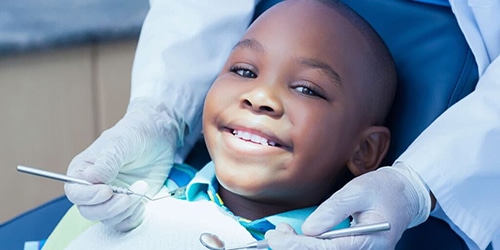
Tooth decay can begin as soon as a child’s first tooth appears. Many parents wait until a problem arises before visiting a dentist, but early dental care helps catch issues before they worsen and teaches children how to care for their teeth. These initial dental visits also influence how children view brushing, flossing, and regular checkups. Starting early builds healthy habits that last a lifetime.
When to Start Dental Visits

The American Academy of Pediatric Dentistry recommends scheduling a child’s first dental visit by age one or within six months of the first tooth appearing. While these early visits may seem unnecessary, they lay the groundwork for strong oral health habits and early detection of potential problems.
Starting dental care early helps children adjust to cleanings, learn about oral hygiene, and feel less afraid of dental visits. It also helps parents understand how to care for a growing mouth during each stage.
How Dental Health Affects Growth
Oral health connects to every part of a child’s development. Teeth help with chewing, speech, and facial structure. Problems with baby teeth can lead to infections, pain, poor sleep, and trouble focusing in school. Early decay can even affect nutrition and cause long-term spacing problems for adult teeth.
When a child visits a pediatric dentist regularly, they receive care that protects their health and supports normal growth patterns.
Key Growth Areas Linked to Dental Health:
-
Speech – Teeth help form certain sounds. Missing or damaged teeth can delay speech development.
-
Nutrition – Healthy teeth allow kids to eat a variety of foods comfortably. Pain or infection may cause them to avoid chewy or crunchy items.
-
Facial Development – Jaw growth depends on proper tooth spacing and function.
-
Confidence – Children with healthy smiles feel better when speaking, smiling, or interacting with others.
What a Pediatric Dentist Provides During Early Years
A pediatric dentist is trained to treat children at every stage of development. Their office environment, tools, and treatment approach are tailored to meet a child’s specific needs. They make visits less stressful, which helps kids build a positive relationship with oral health.
Common Services in Early Dental Care:
-
Exams to check for decay, gum health, and jaw development
-
Fluoride treatments to strengthen enamel
-
Professional dental cleanings for plaque and tartar removal
-
Sealants for cavity prevention
-
Education for both children and parents
Why Baby Teeth Deserve Attention
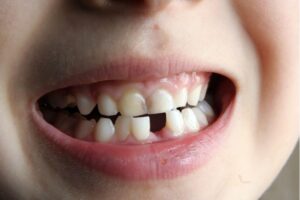
Some people assume baby teeth don’t matter because they fall out. This belief leads to delayed care and untreated problems. In reality, baby teeth play a vital role in spacing, speech development, and overall oral health. If left untreated, decay can spread quickly and damage permanent teeth as they form.
Keeping baby teeth healthy helps prevent:
-
Premature loss of teeth
-
Pain or infection that spreads to the jaw or bloodstream
-
Misalignment of future permanent teeth
-
Expensive treatments later on
Preventing Fear of the Dentist
Many adults avoid dental visits due to fear built during childhood. Early dental care reduces that fear by making visits routine, calm, and even fun. Pediatric dentists create a space where children feel safe. They use language kids understand, let them ask questions, and offer encouragement during treatments.
This comfort carries into later years, making teens and adults more likely to attend regular checkups.
Teaching Habits That Stick
Pediatric dentists go beyond cleaning teeth. They teach children how and why to brush and floss. They also show parents how to model good habits at home. These small daily actions lead to lasting routines.
A child who brushes twice a day, flosses regularly, and visits the dentist on schedule grows up with better oral health. This can mean fewer cavities, lower dental bills, and less need for treatment later.
Dental Milestones Parents Should Know
Understanding what to expect helps parents feel more confident in managing their child’s oral care. A pediatric dentist tracks progress and gives advice during each phase.
Key Dental Milestones:
-
First Tooth – Usually appears around 6 to 10 months
-
First Visit – By age one
-
Full Set of Baby Teeth – Around age 3
-
First Dental Cleaning – Around age 2 to 3
-
Loss of First Tooth – Around age 6
-
Early Orthodontic Screening – Around age 7
Support for Parents and Caregivers
Parents often have questions about brushing, toothpaste, thumb-sucking, or nutrition. Pediatric dentists offer clear answers and helpful tips. They guide parents through changes like teething, weaning, and losing teeth.
This support helps families feel prepared, especially during common struggles like bedtime brushing or picky eating.
Special Considerations for Queens NY Families
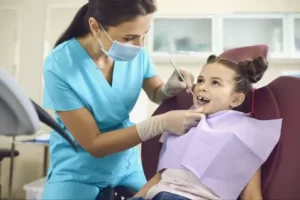
In a culturally diverse community like Queens, pediatric dentists often serve families with varied backgrounds, languages, and daily routines. Pediatric dental teams know how to adapt their approach to meet each family’s needs. They build trust and provide consistent support as children grow.
This personal connection makes it easier for parents to ask questions, schedule follow-ups, and stay on track with dental care.
Why Choose PCO Pediatric Dentistry & Orthodontics
PCO Pediatric Dentistry & Orthodontics in Queens NY offers early dental care focused on growth, comfort, and prevention. Dr. Sara Rasamimari is a board-certified pediatric dentist who treats children with patience, care, and skill. The office provides everything from baby’s first visit to dental support for teens.
PCO creates a calm environment with child-friendly tools, flexible scheduling, and parent education at every step. Families receive care that supports not just the teeth, but the health and confidence of each child.
Schedule a Visit
The earlier you start, the better your child’s chances of growing up with a healthy smile. Schedule your child’s visit with PCO Pediatric Dentistry & Orthodontics today. Call or visit to learn more or book an appointment online. We welcome families across Queens and nearby areas who want lasting care for their child’s teeth.