
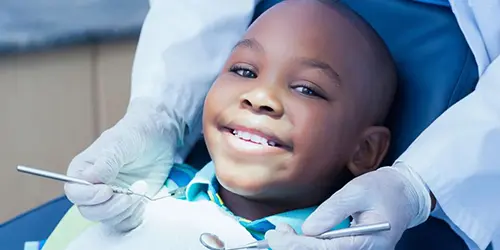
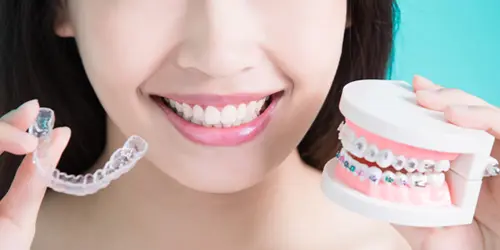
Parents often ask when their child should see an orthodontist for the first time and whether there is an ideal age to begin orthodontic care. A first orthodontic visit is designed to evaluate how a child’s teeth, bite, and jaws are developing not to immediately place braces. Orthodontists rely on growth patterns, tooth eruption stages, and bite function to determine timing rather than following a single age rule.
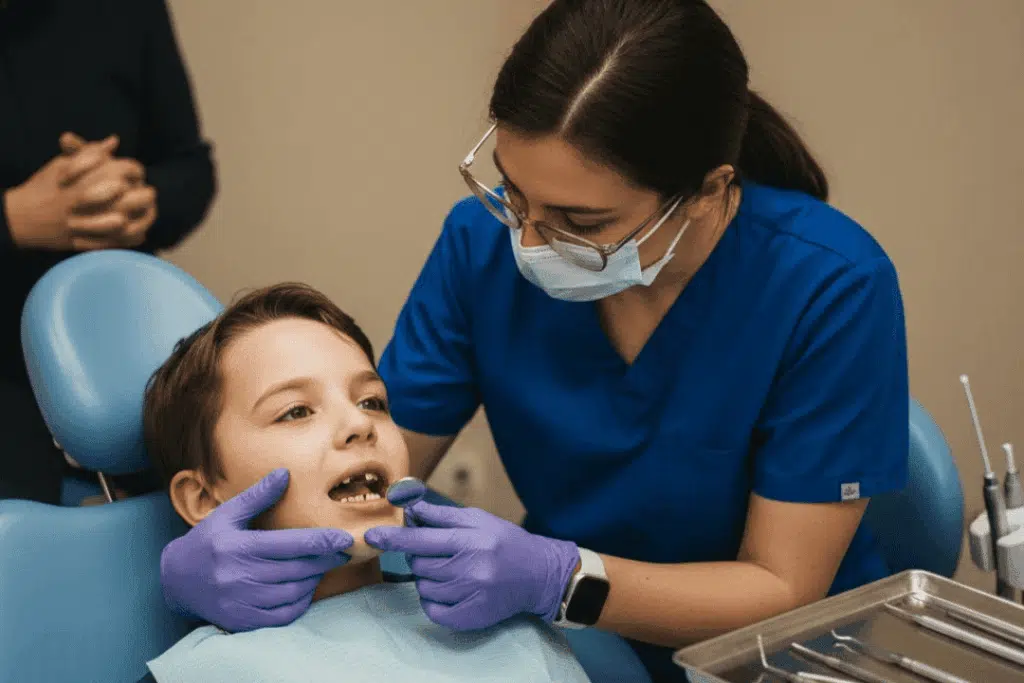
Most children should have their first orthodontic evaluation around age 7. At this stage, orthodontists can identify early developmental concerns and decide whether treatment is needed soon or if monitoring growth over time is the best approach.
At PCO Pediatric Dentistry & Orthodontics in Queens, NY, pediatric dentist Dr. Sara Rasamimari and orthodontist Dr. Tiya Ungphakorn focus on early evaluation and thoughtful planning. Orthodontists assess dental and jaw development to help parents understand what is the right age to get braces based on a child’s individual growth. This article explains how those decisions are made and what families should know about timing, monitoring, and future treatment.
Why Orthodontists Focus on Evaluation Instead of Age Alone
There is no universal age that applies to every child. While many parents look for a specific number, orthodontists evaluate development rather than birthdays. A first orthodontic visit allows orthodontists to identify early signs that may influence future alignment.
During this visit, orthodontists consider:
- Tooth eruption patterns
- Jaw growth and facial balance
- Bite alignment and function
These factors help determine what is the right age to get braces for each child, rather than relying on general timelines.
How Tooth Eruption Patterns Guide Orthodontic Timing

The way teeth emerge plays a major role in orthodontic planning. Orthodontists monitor how baby teeth fall out and how permanent teeth erupt to assess spacing and alignment.
Key indicators include:
- Early or delayed loss of baby teeth
- Permanent teeth erupting out of position
- Crowding as adult teeth come in
By tracking how the teeth and jaws develop over time, orthodontists can determine whether a child is ready for braces or if continued monitoring is the better option. This allows treatment to be timed for the greatest benefit, based on individual growth rather than age alone.
Jaw Growth and Bite Development Matter More Than Age
Jaw growth is one of the most important elements orthodontists evaluate. The upper and lower jaws grow at different rates, and imbalances can affect bite alignment and long-term function.
During an orthodontic visit, orthodontists assess:
- Jaw size and position
- How the upper and lower teeth fit together
- Bite movement during chewing
These findings help determine the right age to put braces, ensuring treatment begins when growth conditions are most favorable.
Oral Habits and Functional Concerns Affect Timing
Certain oral habits and functional challenges can influence orthodontic timing. Habits such as thumb sucking or mouth breathing may place pressure on developing teeth and jaws.
Orthodontists evaluate:
- Bite function and tooth contact
- Jaw movement during speech and chewing
- Habits that may affect alignment
These factors help determine whether braces for kids may be needed earlier or whether habits should be addressed first through monitoring and guidance.
Monitoring Versus Starting Braces Early
One common misconception is that an orthodontic evaluation automatically leads to treatment. In reality, many children benefit from monitoring rather than immediate intervention.
Monitoring may involve:
- Periodic follow-up visits
- Tracking changes during growth spurts
- Re-evaluation as permanent teeth erupt
This approach helps orthodontists recommend treatment only when the right age for braces is reached, avoiding unnecessary early intervention. A first orthodontic visit establishes a plan without pressure.
Signs That May Prompt an Earlier Orthodontic Visit
Certain clinical signs may indicate that a child should be evaluated sooner rather than later. These signs help orthodontists determine whether closer monitoring or early planning is needed.
Common indicators include:
- Crowded or overlapping teeth
- Teeth erupting out of alignment
- Difficulty biting or chewing
- Jaw shifting when opening or closing
When these signs appear, orthodontists assess whether braces for kids may be part of future care or whether continued observation is appropriate.
What Happens During a First Orthodontic Visit
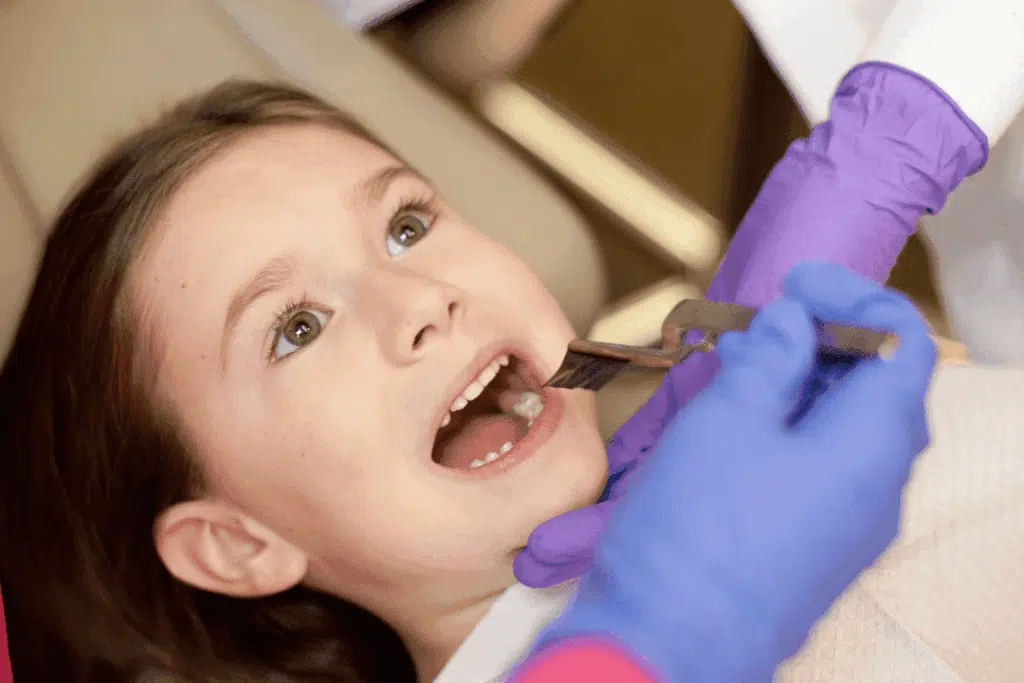
Understanding what to expect helps parents feel more comfortable scheduling an evaluation. A first orthodontic visit is typically educational and non-invasive.
The visit may include:
- A visual examination of teeth and bite
- Review of dental and medical history
- Imaging to assess tooth and jaw development
- Discussion of findings and next steps
Orthodontists explain how timing decisions are made and whether the child is nearing what is the right age to get braces based on development.
How Early Insight Supports Better Long-Term Outcomes
Early orthodontic evaluation allows for proactive planning. Even when treatment is not recommended immediately, early insight helps families understand what to expect as their child grows.
Benefits include:
- Clear understanding of growth patterns
- Reduced risk of severe misalignment
- More predictable orthodontic outcomes
Determining the right age to put braces is guided by a child’s growth and development rather than assumptions, ensuring decisions are based on clinical findings.
Get to Know PCO Pediatric Dentistry & Orthodontics
PCO Pediatric Dentistry & Orthodontics provides comprehensive pediatric dental and orthodontic care for families in Queens, NY. Pediatric dentist Dr. Sara Rasamimari and orthodontist Dr. Tiya Ungphakorn work collaboratively to evaluate growth, guide development, and recommend care at the right time. Their approach emphasizes education, early evaluation, and personalized planning for every child.
FAQs About a Child’s First Orthodontic Visit and Braces Timing
What age should a child have their first orthodontic evaluation?
Orthodontists generally recommend an evaluation during childhood, but the exact timing depends on how a child’s teeth and jaws are developing. Growth patterns, bite alignment, and tooth eruption matter more than a specific age.
Does an early orthodontic evaluation mean my child will need braces right away?
No. An early evaluation is often used to monitor development rather than begin treatment. Many children are simply observed over time until they reach the right age for braces based on growth and alignment.
How do orthodontists decide the right age for braces?
Orthodontists assess tooth eruption, jaw growth, bite function, and spacing to determine timing. These factors help identify when treatment would be most effective rather than starting too early or too late.
What signs may indicate a child should be evaluated sooner?
Crowded or overlapping teeth, bite problems, jaw shifting, difficulty chewing, or teeth erupting out of alignment may prompt an earlier evaluation to determine whether closer monitoring or future planning is needed.
Schedule Your Child’s First Orthodontic Visit
PCO Pediatric Dentistry & Orthodontics provides pediatric dental and orthodontic care for families in Queens, NY, with a focus on early evaluation and personalized treatment planning. If you have questions about development or timing, scheduling a first orthodontic visit can provide clarity and peace of mind. Contact us to arrange an evaluation and learn whether braces for kids or continued monitoring may best support your child’s long-term oral health.