For many parents, choosing safe toothpaste for kids feels simple: just pick something labeled “natural,” “gentle,” or “kid-friendly.” But when it comes to early oral care for kids, the truth is far more complex. What looks child-safe on the shelf may not actually protect your child’s teeth, especially as their enamel develops and their brushing habits form.
At PCO Pediatric Dentistry & Orthodontics in Queens, NY, pediatric dentist Dr. Sara Rasamimari and orthodontist Dr. Tiya Ungphakorn often meet parents who discover that toothpaste marketing can be misleading, especially when it comes to claims about natural ingredients, fluoride content, and cavity prevention. Many families want healthier options and explore natural remedies for kids’ oral health, but few realize how different these products are in terms of clinical proof and safety.
This guide helps parents understand what truly makes a safe toothpaste for kids, how to evaluate fluoride and fluoride-free choices, and how early toothpaste decisions influence long-term pediatric dental health. By the end, you’ll feel confident navigating ingredient labels, trendy “clean” brands, and what matters most for your child’s developing smile.
What Truly Counts as Safe Toothpaste for Kids? Understanding the Standards
Toothpaste labeling can give parents a false sense of security. Words like “organic,” “botanical,” “non-toxic,” and “natural” sound reassuring but they don’t automatically guarantee that a toothpaste supports pediatric dental health or prevents cavities.
Safety Isn’t Just About Ingredients — It’s About Effectiveness
A safe toothpaste for kids must do two things:
- Protect developing enamel
- Provide clinically backed cavity prevention
Many natural pastes skip proven ingredients, leaving children at higher risk of decay.
What Pediatric Dentists Consider Safe
Dr. Sara Rasamimari explains that a toothpaste is considered safe when it:
- Strengthens enamel
- Removes plaque gently
- Contains age-appropriate active ingredients
- Avoids unnecessary irritants
- Encourages healthy brushing habits
In other words, “natural” does not equal “safe,” and “fluoride-free” does not equal “healthier.”
How “Kid-Friendly” Marketing Creates Confusion
Bright packaging, candy flavors, and eco-friendly claims make products look appealing but many formulas prioritize branding over proven protection.
Oral Care for Kids: Why Toothpaste Matters More Than You Think
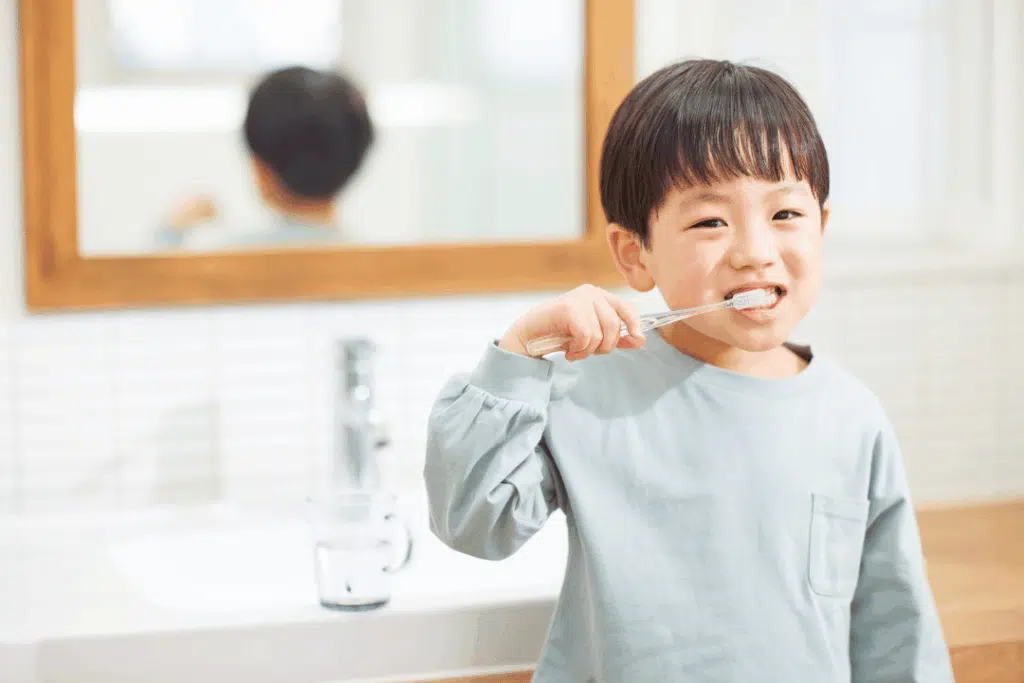
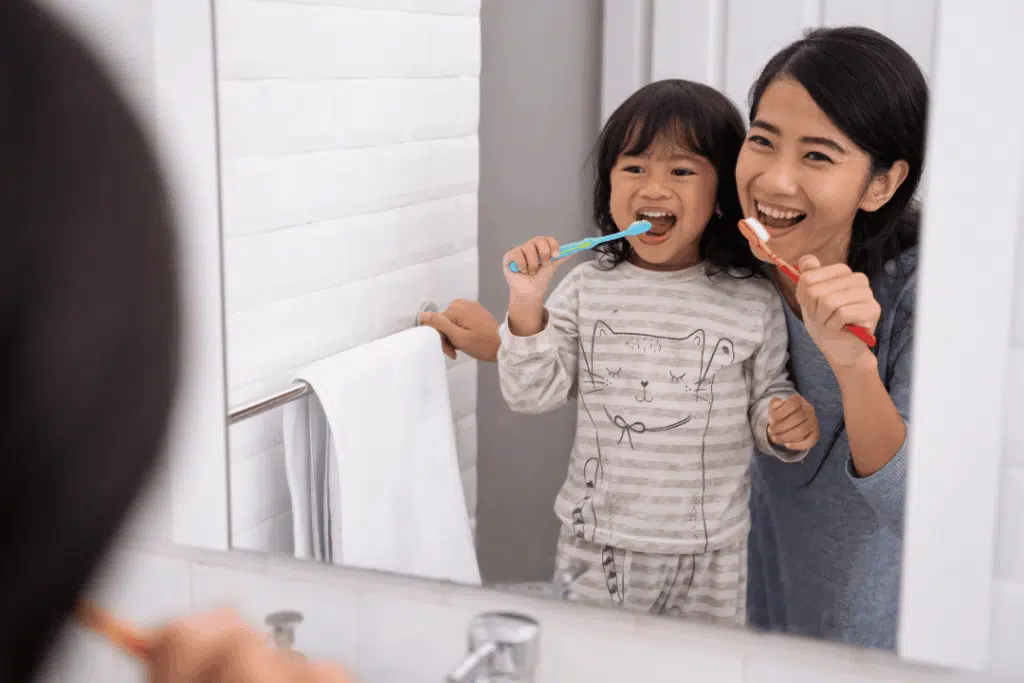
Early brushing habits influence a child’s confidence, comfort, and long-term relationship with dental care. Without the right support, even twice-a-day brushing may not prevent cavities.
Children Have Thinner, More Vulnerable Enamel
Because children’s enamel is not as strong as adult enamel, they are more susceptible to:
- Cavities
- Sensitivity
- Erosion from acidic foods
- Rapid decay
This makes proper oral care for kids essential, especially during toddler and early school years.
Kids Tend to Swallow Toothpaste
A major reason parents lean toward natural or fluoride-free options is fear of ingestion. But when dosed properly:
- A rice-sized smear is safe for toddlers
- A pea-sized amount is safe for kids ages 3–6
- Supervision prevents excess swallowing
This method is backed by pediatric dental associations nationwide.
Establishing Skills for Future Orthodontic Success
Orthodontist Dr. Tiya Ungphakorn reminds families that strong oral care habits help shape a healthier mouth long before braces are needed. Brushing correctly today supports better outcomes tomorrow, another reason to choose truly safe toothpaste for kids, not just trendy ones.
Good Fluoride-Free Toothpaste: Helpful or Harmful?
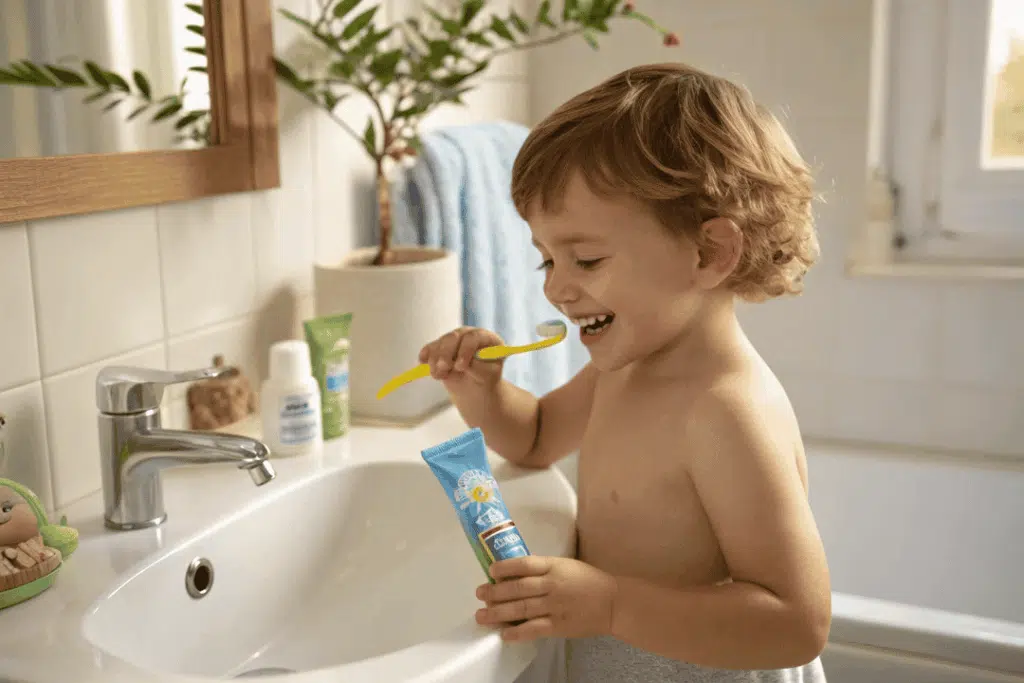
With social media trends and “clean beauty” movements growing, many parents search for a good fluoride free toothpaste as a safer alternative. But this decision requires careful evaluation.
What Fluoride-Free Toothpaste Can Do
A quality fluoride-free toothpaste may help with:
- Mild plaque removal
- Fresh breath
- Reduced exposure to certain ingredients
- Sensitivity support
However, most fluoride-free formulas do not prevent cavities unless they contain special remineralizing agents.
What Fluoride-Free Toothpaste Cannot Do
Even a good fluoride free toothpaste typically cannot:
- Strengthen enamel
- Reverse early decay
- Offer proven cavity protection
- Protect high-risk children
This means fluoride-free options may work for some kids but not all.
When Fluoride-Free May Be Acceptable
Pediatric dentists may approve temporary fluoride-free use for:
- Children with sensory concerns
- Kids with specific ingredient allergies
However, long-term fluoride avoidance should be discussed with a pediatric dentist.
When Fluoride-Free Becomes Risky
Kids who:
- Snack frequently
- Drink juice often
- Brush inconsistently
- Have early enamel defects are at the highest risk for cavities and fluoride-free toothpaste may not protect them at all.
Pediatric Dental Health: How Ingredients Influence Developing Smiles
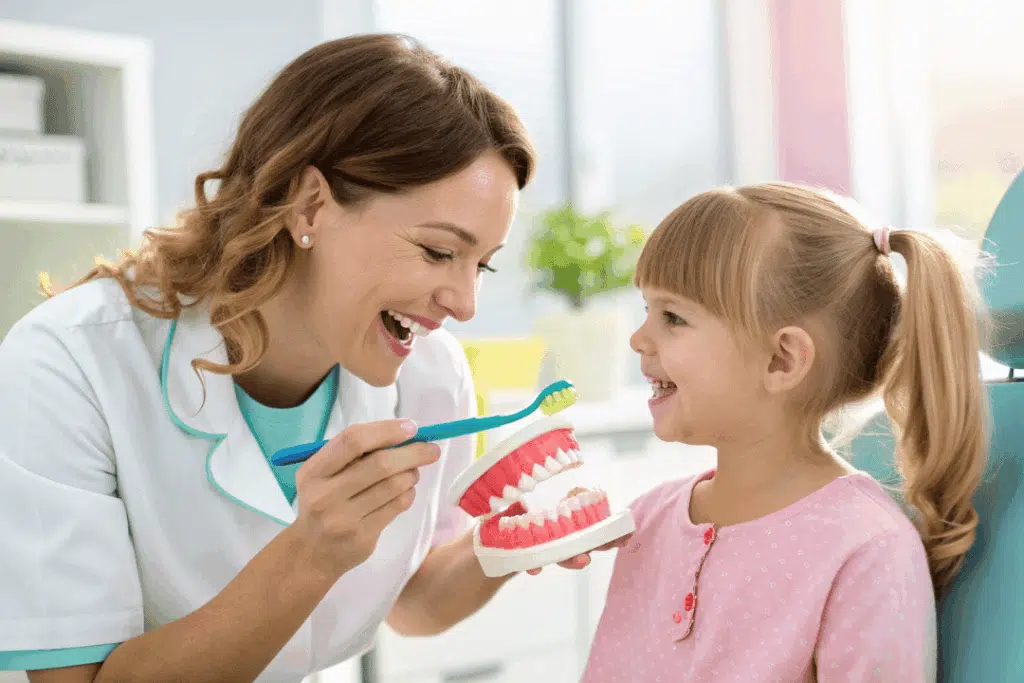
Understanding pediatric dental health means understanding how every ingredient in a toothpaste affects developing enamel, gums, and oral tissues.
Ingredients That Support Healthy Development
- Fluoride (in age-appropriate amounts)
- Calcium-based remineralizers
- Gentle polishing agents
- Xylitol (helps reduce cavity-causing bacteria)
These are backed by decades of research.
Ingredients That Can Be Problematic for Kids
Some children’s toothpastes especially natural ones include additives that aren’t suitable for daily use:
- Charcoal
- Rough abrasives
- High levels of essential oils
- Cinnamon flavoring (can trigger irritation)
- Harsh “mint” blends designed for adults
These may harm pediatric enamel over time.
Why “Whitening” Toothpaste Is Not for Kids
Whitening products often contain stronger abrasives or active ingredients designed for adult enamel. Using them too early may cause:
- Sensitivity
- Enamel thinning
- Gum irritation
This is why pediatric specialists recommend avoiding whitening toothpastes for children entirely.
Natural Remedies for Kids’ Oral Health: Helpful Additions or Hidden Risks?
With the rise of holistic parenting, many families explore natural remedies for kids’ oral health hoping for gentler, cleaner alternatives. But natural does not necessarily mean effective.
Popular Remedies Parents Try
These often include:
- Coconut oil pulling
- Aloe vera gel
- Herbal rinses
- Baking soda
- Chamomile rinses
Some remedies may offer mild benefits, but none replace toothpaste.
What Pediatric Dentists Want Parents to Know
Dr. Sara Rasamimari explains that while certain natural remedies for kids oral health can soothe minor discomfort, they cannot:
- Remove plaque effectively
- Prevent cavities
- Strengthen enamel
- Replace clinically proven toothpaste ingredients
Relying solely on natural remedies can unintentionally increase cavity risk.
When Natural Remedies May Help
Some remedies can support a dentist-guided plan:
- Warm saltwater rinses for mild gum inflammation
- Xylitol wipes for infants who don’t use toothpaste yet
- Chamomile for minor gum irritation
But they must supplement, not replace, proper brushing.
Why Seeing an Orthodontist for Kids Early Matters
Parents often think orthodontic visits begin around age 10–12, but early assessments are crucial. Seeing an orthodontist for kids early helps monitor development that toothpaste alone cannot address.
Early Orthodontic Monitoring Detects Issues Sooner
This includes:
- Crowding
- Bite alignment
- Jaw development patterns
- Spacing issues
Early detection makes future treatment easier and more effective.
How Oral Hygiene Influences Orthodontic Outcomes
Kids with strong brushing habits and a safe toothpaste for kids routine often have:
- Stronger enamel for braces
- Fewer cavities before orthodontic treatment
- Healthier gums
- Better long-term oral stability
This is why orthodontists and pediatric dentists work closely together.
When Should Children First See an Orthodontist?
The American Association of Orthodontists recommends screenings at age 7—right when a mix of baby and adult teeth begins to appear.
This combined approach of good oral hygiene, the right toothpaste, and early orthodontic oversight forms a complete pediatric dental foundation.
Meet the Team Who Protects Your Child’s Smile — PCO Pediatric Dentistry & Orthodontics
At PCO Pediatric Dentistry & Orthodontics in Queens, NY, families trust the expert guidance of:
- Dr. Sara Rasamimari, Pediatric Dentist
- Dr. Tiya Ungphakorn, Orthodontist for Kids
Their combined expertise helps parents navigate confusing toothpaste options, early cavity prevention, orthodontic development, and essential oral care for kids. The practice provides:
- Preventive checkups
- Personalized toothpaste recommendations
- Pediatric dental health education
- Early orthodontic evaluations
- Support for children with sensory needs
- Gentle care tailored to all ages
Whether you’re assessing a good fluoride free toothpaste, considering natural remedies for kids oral health, or trying to understand safe ingredients, the team ensures your child receives the safest, most effective care available.
Give Your Child the Best Start in Oral Health
Choosing the right toothpaste shapes a lifetime of healthy habits. For customized guidance on safe toothpaste for kids, early orthodontic assessments, or pediatric dental visits, contact PCO Pediatric Dentistry & Orthodontics in Queens, NY today.