Pediatric Dental Cleaning in Queens, NY
Give your child a cleaner, healthier smile with care planned for growing teeth. PCO Pediatric Dentistry & Orthodontics provides gentle professional cleanings for toddlers, school-age children, and teenagers. Our team removes plaque, hardened tartar, and surface stains that brushing may leave behind. Each visit is adjusted to your child’s age, oral health, and comfort.
What Is a Pediatric Dental Cleaning?
A pediatric dental cleaning is a preventive procedure that removes buildup from baby and permanent teeth. Also called dental prophylaxis, it may include plaque and tartar removal, polishing, flossing, and oral hygiene guidance. Plaque is a soft film of bacteria and food particles. When it stays on the teeth, it can harden into tartar, also called calculus.
A toothbrush cannot remove this hardened deposit. Professional care cleans difficult areas around the gumline and between teeth. Cleaning is different from a dental checkup. A cleaning removes deposits, while an examination evaluates the teeth, gums, bite, and development. Fluoride varnish and digital X-rays are separate services recommended only when appropriate.
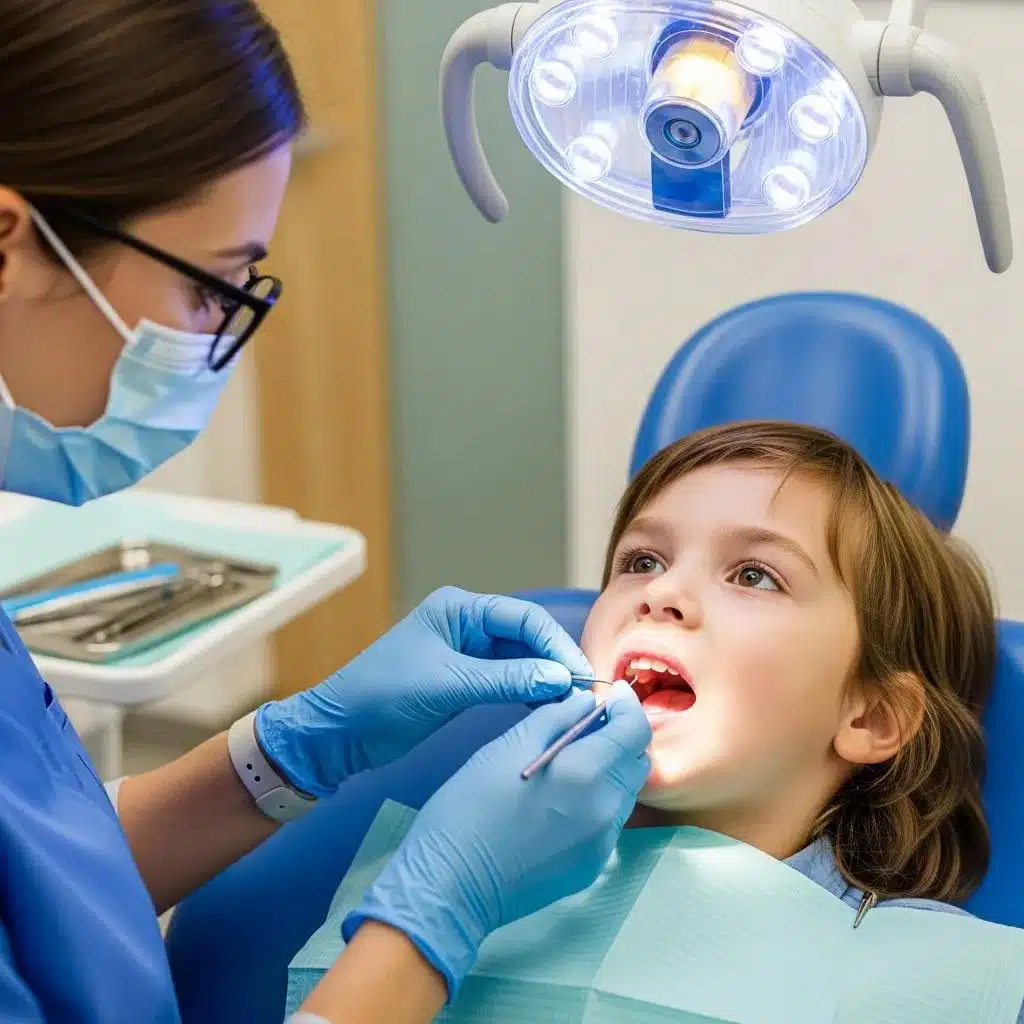
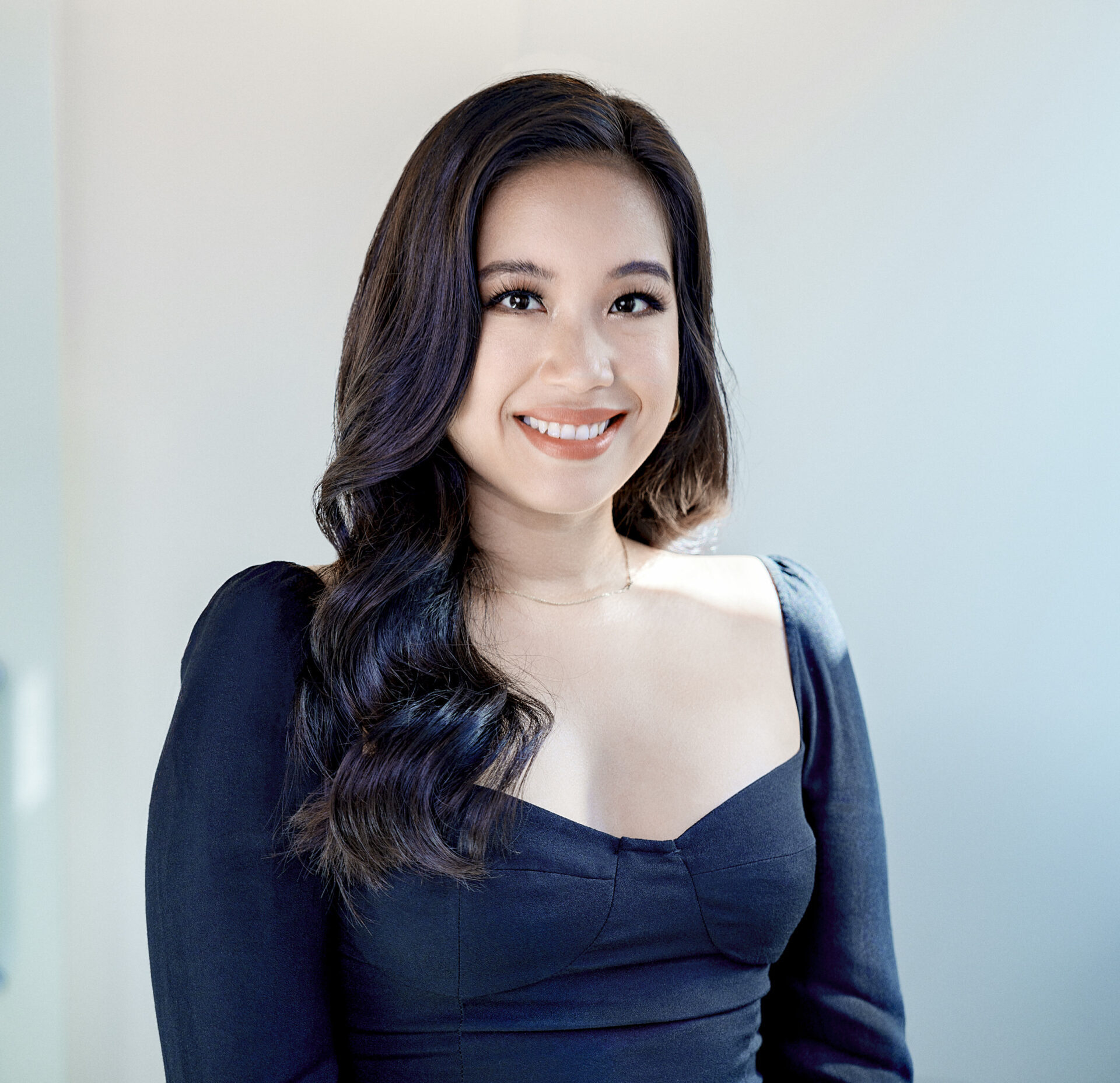
Meet Your Board-Certified Pediatric Dentist, Dr. Sara Rasamimari
Dr. Sarunphorn “Sara” Rasamimari is board-certified by the American Board of Pediatric Dentistry. She earned a Bachelor of Science in Public Health with a minor in Psychology from Indiana University, received her DMD from Midwestern University, and completed her pediatric dental residency at NYU. Her specialty training covered child development, preventive care, behavior guidance, dental anxiety, and conditions affecting young patients.
She considers each child’s age, health history, communication style, sensory needs, and previous dental experiences. As a member of the American Academy of Pediatric Dentistry and the American Dental Association, Dr. Sara follows current professional guidance. Her goal is to keep parents informed while helping children develop confidence and stronger hygiene habits.
Why Families Choose PCO for Children’s Teeth Cleaning
We consider dental findings, comfort, development, and the concerns parents share before beginning care.
Board-Certified Expertise
Dr. Sara completed advanced pediatric residency training and earned board certification. Her experience supports age-appropriate preventive care for infants, children, teenagers, and patients with special healthcare needs.
Gentle, Child-Centered Visits
We explain each step in simple language and introduce unfamiliar instruments gradually. The pace is adjusted according to your child’s age, attention, comfort, and ability to participate.
Personalized Recommendations
Cleaning schedules are based on cavity history, plaque buildup, gum health, braces, diet, and brushing ability. Follow-up visits are recommended according to individual needs.
Practical Parent Guidance
Families receive useful advice about brushing, flossing, fluoride toothpaste, and newly erupted teeth. We also point out areas needing more attention during home care.
Board-Certified Pediatric Dentist
Dr. Sara is a board-certified pediatric dentist with advanced training in caring for infants, children, and teens.
Board-Certified Pediatric Dentist
Dr. Sara is a board-certified pediatric dentist with advanced training in caring for infants, children, and teens.
Board-Certified Pediatric Dentist
Dr. Sara is a board-certified pediatric dentist with advanced training in caring for infants, children, and teens.
Board-Certified Pediatric Dentist
Dr. Sara is a board-certified pediatric dentist with advanced training in caring for infants, children, and teens.
Benefits of Professional Teeth Cleaning for Children
Removes Hardened Buildup
Professional instruments remove plaque and tartar from areas children often miss, including places around the gumline and between closely spaced teeth.
Supports Teeth and Gums
Clearing bacterial deposits can reduce gum irritation and support healthy baby and permanent teeth as your child grows.
Improves Daily Habits
Personalized feedback shows children and parents where brushing or flossing should improve, making home care more effective between visits.
What to Expect During Your Child’s Dental Cleaning
Each visit is shaped around the teeth present, amount of buildup, and your child’s comfort.
Health and Comfort Review
We discuss medical history, medications, home-care habits, dental concerns, and previous experiences. Parents should also share anxiety, sensory sensitivities.
Plaque and Tartar Removal
Soft plaque and hardened tartar are carefully removed from accessible tooth surfaces and around the gumline using an approach suited to your child.
Polishing and Flossing
When appropriate, the teeth are polished to remove remaining deposits and some surface stains. We may also floss between teeth that touch.
Home-Care Plan
We explain what we noticed and provide suggestions for brushing, flossing, diet, and fluoride toothpaste. Follow-up timing depends on oral findings and cavity risk.
Frequently Asked Questions About Pediatric Dental Cleaning
At what age should my child begin professional cleanings?
The American Academy of Pediatric Dentistry recommends a first dental visit when the first tooth appears and no later than age one. The amount of cleaning completed depends on the teeth present, oral health needs, and your child’s comfort.
How often should children have their teeth cleaned?
Many children visit about every six months. A child with braces, frequent cavities, gum inflammation, heavy buildup, or difficulty brushing may need a different schedule. Dr. Sara recommends timing based on individual findings.
What happens during a children’s teeth cleaning?
The visit may include removing plaque and tartar, polishing, flossing, and discussing home care. A dental examination may occur during the same appointment, but it is a separate part of care.
Will a dental cleaning hurt my child?
Most routine cleanings do not require numbing. Tender gums or heavier tartar may cause brief sensitivity. We explain each step, adjust the pace, and discuss the next approach if your child cannot complete the visit comfortably.
Are fluoride and X-rays included with every cleaning?
No. Fluoride varnish is a separate preventive treatment recommended according to cavity risk. Digital X-rays are taken only when they provide information that cannot be obtained through a visual examination.
Convenient Pediatric Dental Care in Queens, NY
PCO Pediatric Dentistry & Orthodontics is located at 34-22 35th Street, Queens, NY 11106. Our office gives families in New Hyde park, Long Island City, Great Neck and nearby Queens communities convenient access to professional teeth cleaning from a board-certified pediatric dentist. Families visit us for a child’s first cleaning, routine preventive appointments, visible plaque buildup, or extra help keeping teeth clean around braces.
If your child feels nervous, has sensory sensitivities, or has experienced a difficult dental visit before, please tell our team when scheduling. This helps us prepare an approach suited to their comfort and communication needs. During the appointment, we explain what we notice, identify areas that need more attention, and provide simple guidance for brushing and flossing at home.